
Are We Ready to #MeetTheMoment? (2015)


Why Policy Wins Aren’t Enough—and What It Takes to Build a Culture of Dignity in South LA Schools
What This Report Is and Why It Matters
A student can be removed from school without ever being “suspended.” A parent can sign paperwork without being told they have the right to appeal. A child can miss months of learning while the system insists everything is working as designed.
Transforming Discipline Into Dignity centers these truths.
This publication—Are We Ready to #MeetTheMoment?—is a powerful, parent-grounded reflection written by Maisie Chin, Executive Director and Co-Founder of CADRE, and published in 2015 as part of Voices in Urban Education by the Annenberg Institute for School Reform. It draws directly from CADRE’s organizing in South Los Angeles and the lived experiences of families navigating school discipline long after major policy victories were won.
This report asks a hard but necessary question: Are we actually ready to meet the moment?
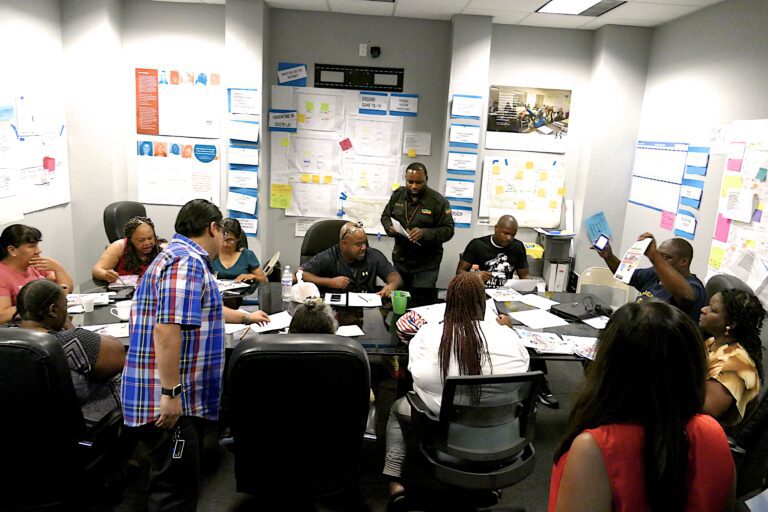
Rather than focusing only on compliance or suspension numbers, the piece argues for a deeper transformation—from a “culture of discipline” rooted in control and punishment to a “culture of dignity” grounded in relationships, reflection, and shared responsibility. It documents CADRE’s role in co-anchoring the PASSAGE project, a year-long collaborative effort bringing together parents, students, educators, administrators, and advocates to confront racial discipline disparities honestly and collectively.
At its core, this work insists that parent leadership is not optional. Policy reform without parent power, racial analysis, and accountability in daily practice will always fall short. The human impact—missed school, fractured trust, and lifelong consequences for children—demands more than symbolic change.
This is not a technical report. It is a moral reckoning, grounded in real stories, that challenges systems to look beneath the surface and take responsibility for how discipline decisions shape children’s lives.
Key Highlights
- Hidden pushout persists: Even as suspensions declined, students—especially Black students—continued to be removed through opportunity transfers and informal exclusions.
- Racial disparities remain entrenched: African American students were still disproportionately disciplined despite years of reform.
- Policy wins ≠ lived change: Major victories did not automatically translate into safer, more supportive school environments.
- Parent rights obscured: Families were often not informed of their rights, including the ability to appeal transfers or removals.
- Culture matters: Discipline outcomes are shaped by beliefs, assumptions, and power dynamics—not just rules.
- Collaborative accountability: The PASSAGE process showed the potential of cross-stakeholder dialogue rooted in honesty and reflection.
- Bias must be confronted: Implicit bias and racialized assumptions continue to drive discipline decisions.
- Promising transformations: When educators embraced dignity-centered practices, suspensions dropped dramatically without new resources.