
Redefining Dignity in our Schools (2010)

How South LA Parents Exposed the Gap Between Discipline Reform Promises and Reality
What This Report Is and Why It Matters
In South Los Angeles, families were told that a new discipline policy would finally move schools away from punishment and toward support. But for many parents, that promise never showed up at the schoolhouse door.
Redefining Dignity in Our Schools is a parent-led shadow report that examines how Los Angeles Unified School District’s (LAUSD) School-Wide Positive Behavior Support (SWPBS) policy was—or was not—implemented in South Los Angeles between 2007 and 2010. While LAUSD adopted SWPBS unanimously in 2007, this report reveals a stark gap between policy on paper and practice in classrooms.
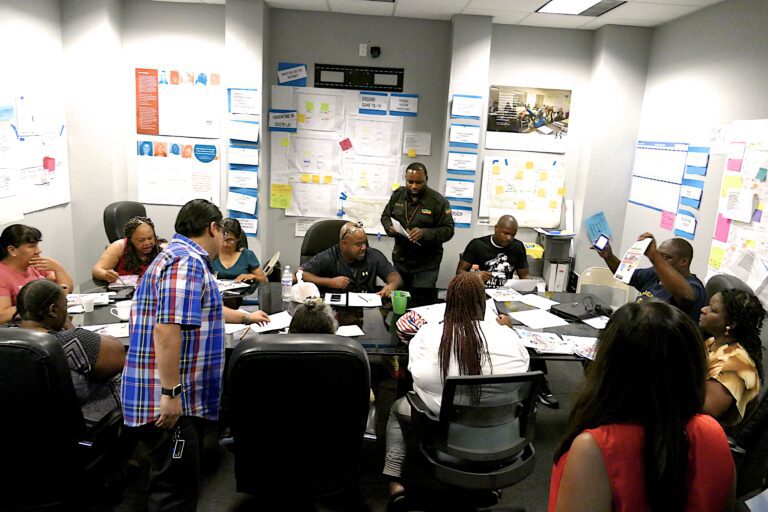
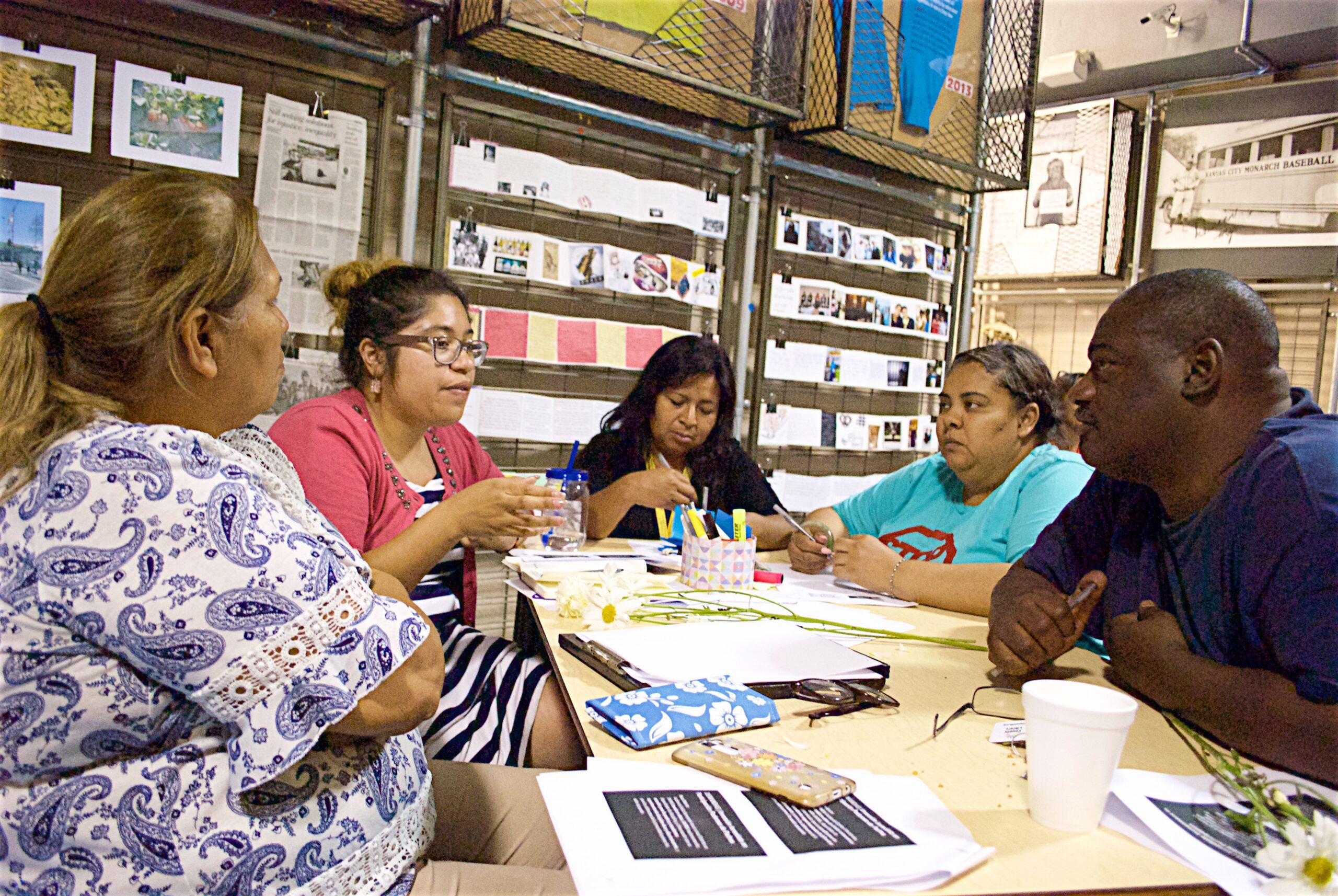
The report was led by CADRE parent leaders, in partnership with Mental Health Advocacy Services and Public Counsel Law Center, and grounded in lived experience, participatory research, and community monitoring. Parents conducted surveys, classroom observations, school visits, public records requests, and data analysis to understand what was really happening to their children.
What they found was deeply troubling.
Despite modest overall declines in suspensions districtwide, Black students in South LA continued to be suspended at dramatically disproportionate rates. Parents were routinely excluded from discipline decisions. Schools failed to collect or share discipline data. And many campuses showed little to no meaningful implementation of the very policy designed to end pushout and criminalization.
This report matters because it reframes school discipline as a human rights and dignity issue, not a technical compliance problem. It makes clear that parents are not obstacles to reform—they are essential leaders. And it demands accountability from systems that claimed progress while leaving families in the dark.
As a shadow report, this publication exists precisely because official monitoring fell short. CADRE parents stepped in where institutions failed—naming harms, documenting inequities, and lifting up what real change can look like when schools partner with families rather than exclude them.
Key Highlights
- Persistent racial disparities: Black students in South LA were suspended at more than twice—and in some years three times—their share of enrollment, even after SWPBS adoption.
- Policy without practice: Many schools showed extremely low levels of SWPBS implementation years after it became mandatory.
- Parent exclusion: A majority of schools failed to meaningfully involve parents in discipline planning, training, or decision-making.
- Lack of transparency: Schools rarely collected, analyzed, or shared discipline data with families or communities.
- Unchecked punitive practices: Exclusionary discipline continued in many schools without oversight or accountability.
- Missed opportunities for early support: Parents were often not notified at early signs of behavioral concerns, cutting off chances for prevention.
- Youth voices ignored: Student surveys showed low levels of encouragement, modeling of positive behavior, and inclusion in school decisions.
- Evidence of promise: A small number of schools demonstrated that SWPBS can work—when leadership, data, and parent partnership are real.
Who This Resource Is For
- Parents and caregivers navigating school discipline issues
- South LA families impacted by suspensions, pushout, or exclusion
- Organizers and community leaders building parent power
- Educators and school staff seeking alternatives to punitive discipline
- Advocates and legal partners working on education and racial justice
- Researchers and students studying school discipline reform
Publication Details
This report is part of CADRE’s broader work to dismantle the school-to-prison pipeline, outlined in our Theory of Change.